
3·
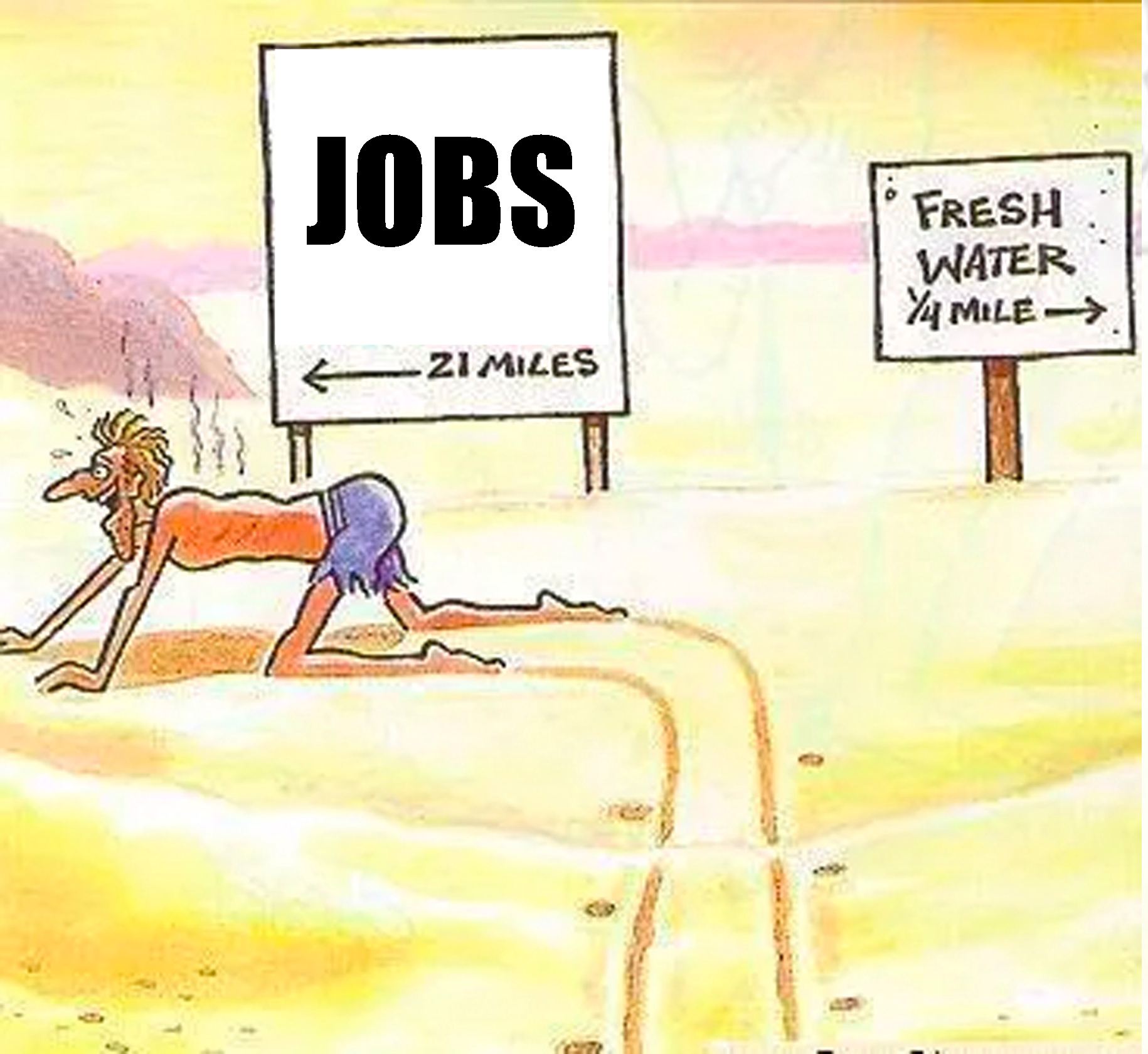
8 months agoThe ban was made more effective by the implementation of “evolutionary game theory”, which included finding alternative employment for fishers.
Well, there you go. Jobs don’t have to be for trapping and killing animals.

No gods, no masters.
The ban was made more effective by the implementation of “evolutionary game theory”, which included finding alternative employment for fishers.
Well, there you go. Jobs don’t have to be for trapping and killing animals.
That’s less about diet and more about murder.
It’s better with some peanuts.
While it sounds contradictory, it’s very simple.
The small players like “family farms” can not compete with the big corporations. The strategy for the small players has shifted to more “added value labels” like organic, local, free range etc. That label allows them to justify, on the market, much higher prices for the product. In reality, it’s mostly bullshit, especially when it comes to animal farming.
Big players can also engage in this humanewashing and ethicswashing, but they don’t put enough effort in it and usually try to redefine the standards/regulations instead, which is easier. They basically give the game away, demonstrating that it’s bullshit.
Remember, welfarism is a dead end. Animal-welfare-labelled meat is not a stepping stone to animal-free diets: empirical evidence from a survey: Journal of Environmental Economics and Policy: Vol 14 , No 1 - Get Access.
Yes, it’s called projection.
The tofu is good. I’m not a fan of coconut oil (in yogurts and others).
No
For some context and counter-example: https://www.vegetology.com/blog/lanolin-and-vitamin-d
That’s like saying tapering off a drug addiction is a compromise compared to going cold turkey.
At least google “food addiction”.
Here’s some watching:
https://www.pcrm.org/news/exam-room-podcast/food-addiction-why-we-cant-stop-eating
https://www.youtube.com/watch?v=25xWdFYtt6w or the podcast page itself https://theproof.com/beating-food-addictions-dr-jud-brewer/
When you start with compromises like that, the failure is guaranteed, there is no “attempt”.
Considering the role of food as pleasure, this fear of big changes can backfire because people are addicted to food. It’s easier to succeed if you do a revolution in your kitchen instead of half-assed tiny changes that maintain “temptations”. It’s also much more satisfying to engage in something new, an adventure, and start to make progress in it (to accomplish things); the big change is its own reward, which helps to keep it going because you feel more agency, more capability.
This may be a new study, but it’s confirming what was known already.
Of course, CNN is trying to dilute the message and claim some magical middle ground:
“The goal shouldn’t be perfection but rather a healthy and sensible dietary pattern that allows room for enjoyment,” Kuhnle said.
From the abstract:
We conservatively estimated that—relative to zero consumption—consuming processed meat (at 0.6–57 g d−1) was associated with at least an 11% average increase in type 2 diabetes risk and a 7% (at 0.78–55 g d−1) increase in colorectal cancer risk. SSB intake (at 1.5–390 g d−1) was associated with at least an 8% average increase in type 2 diabetes risk and a 2% (at 0–365 g d−1) increase in IHD risk. TFA consumption (at 0.25–2.56% of daily energy intake) was associated with at least a 3% average increase in IHD risk.
emphasis added.
Eradicate the cow farming sector and the fly problem goes away.
quick calories: sweet fruits, dried fruits
slower calories: pretzels and crackers
better calories: a fresh fruit and a whole grain sandwich with some spread, some condiments, some leaves.
classic low effort: the mix of nuts and dried fruits (like raisins)
Nuts and seeds alone are obvious, but they also have a lot of calories and may not provide calories that fast, so you can end up overeating. That’s why I go for more starchy snacks from cereals, if any. Try to eat dense calories with more fiber, especially fat.
It also helps to have a bigger breakfast. Speaking of a nice porridge, there are all sorts of portable “oat bars” and similar things. Those can pack a lot of calories too, often too much. (You can make them at home, it’s not that difficult.) If you can’t find those, try looking for “work-out bars” that are plant-based.
And watch your weight. The need for snacks can be a sign that your breakfast was too small.
The Pale Blue Bean

is piefed social down?

Only applies to artists who can no longer enjoy the spoils.






Dump the utilitarianism.