

Sunshine
- 290 Posts
- 35 Comments



 1·22 hours ago
This may be of interest!
 6·22 hours ago
Torvalds being cool as ever!


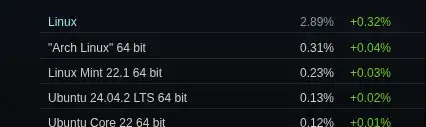
Another bad take from Russia








 12·1 day ago
Every nearby resident groans at the upcoming issues with the power.




Please ask your foss developers to switch to Codeberg!
 1·2 days ago
Maybe it’s time for me to make a fediverse alternative to Linkedin. Trans people have the right to look for work on a respectful platform.
 18·3 days ago
I can’t believe the white house wasted valuable government time to respond to this episode.
I would love to see the planning stages of the ambitious projects!
 295·3 days ago
Keep your death penalty nonsense out of Ukraine.
I mean that Developers in general should move away from Microsoft services such as GitHub.
It would be in much safer hands in that case.
ADN Yearly Revenue 17.6m (3.1%) vs Crunchyroll 564.64m 2025
They should be hatchbacks and sedans.
You could also give JCB the fancy suit too!
Jellyfin servers for your movies and tv shows is the way to go!
This will happen after widespread adoption of Wero and Linux.
Please expand to Canada once Europe is complete. We need Wero to replace Mastercard and Visa after they censored games on Steam and Itch.io.
 4·4 days ago
It got suspiciously removed

CoMaps making Codeberg more popular will help pay the part-timer who is only making 12k a year. Hopefully the increased traffic will help them gain an extra 14k a year since it costs 26.6k a year to live in Berlin.